

How Fiber Internet Actually Works
When you turn on a faucet, water flows instantly through a pipe to your sink. Fiber-optic internet operates on a similar principle—except instead of water, it channels pure streams of light straight into your home at nearly 186,000 miles per second.
It sounds like sci-fi, but fiber is one of the most reliable engineering feats in human history. Here is a look inside the glass strands powering your connection and why fiber technology delivers an unmatched online experience.
The Science of Fiber
At the heart of every fiber network are strands of glass that are each about the thickness of a human hair. Despite their tiny size, these glass fibers carry massive amounts of data across huge distances.
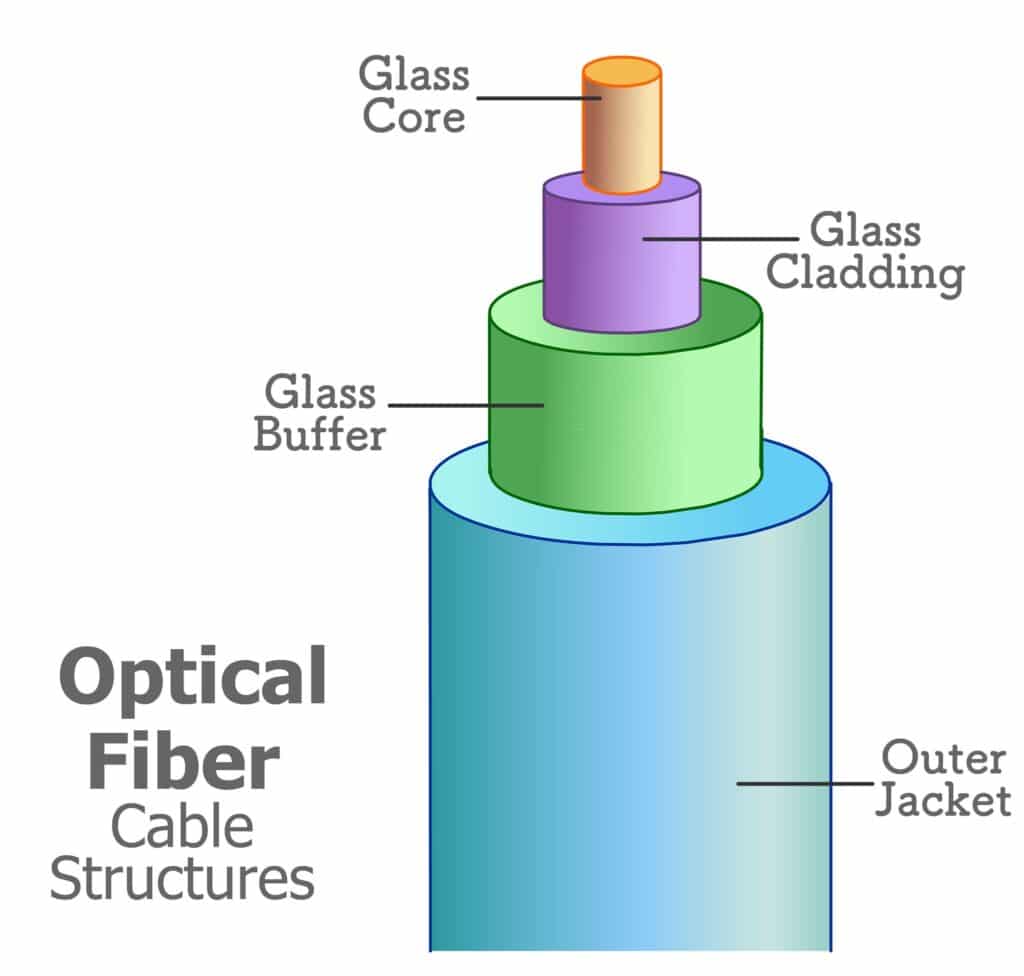
Here is how a single strand is constructed:
- The Glass Core: The absolute center channel made of ultrapure glass. This is the “highway” where laser light signals travel.
- The Glass Cladding: A special outer layer of glass wrapping the core. It acts like a continuous mirror, keeping every beam of light trapped inside so it bounces down the line without losing signal strength.
- The Protective Buffer & Outer Jacket: Layers of durable, weather-resistant shielding that protect the delicate glass core from pressure, extreme temperatures, and moisture.
Because data travels as flashes of light through glass, it moves with virtually no resistance. A signal sent from miles away reaches your router in fractions of a millisecond.
4 Everyday Benefits of Fiber Internet
Understanding how fiber works is cool, but what does it actually mean for your daily home life?

Ready to Experience Fiber?
At RiverStreet, we’re proud to build state-of-the-art fiber infrastructure directly to homes across our communities. It’s reliable, lightning-fast, and designed to keep you seamlessly connected to everything that matters.